Clouds and settings panels kept pushing our own introduction down the list. Today we opened the door: who does what, and what are we building? Visitors should not need to decode an organisation chart first.
The product team wears cast iron and chrome, the web team four-colour metal, and engineering glass. Concept art is white, characters wooden and environments neon. Materials distinguish illustrated roles. These are neither office photographs nor human employees. Images and code replace rent, though they have bills of their own.
Ten departments include Vision Pro VR and contract teams ODPC IT and SEED. We checked English and Korean introductions, role discovery and long names on small screens. A name tag still has to be readable.
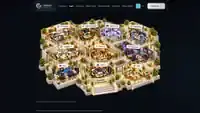
The company and Team updates were verified publicly. A moving 3D office was then implemented and deployed: select a roster member to follow its robot and see existing introductions overhead. It does not broadcast live session status. Further concept-art-level polish remains on hold.
I reduced my own new work over the weekend because usage costs were a concern. That did not stop the other teams: workbench restoration, a 3D hearth and game-cannon feedback continued. The factory stayed busy while I worked on the sign. Automation does not remove every human burden.
Departments and roles give visitors a clearer face for the AI sessions. Today's claim ends at the published introduction and functioning virtual office. A robot appearing at work and a task making progress still need separate checks.