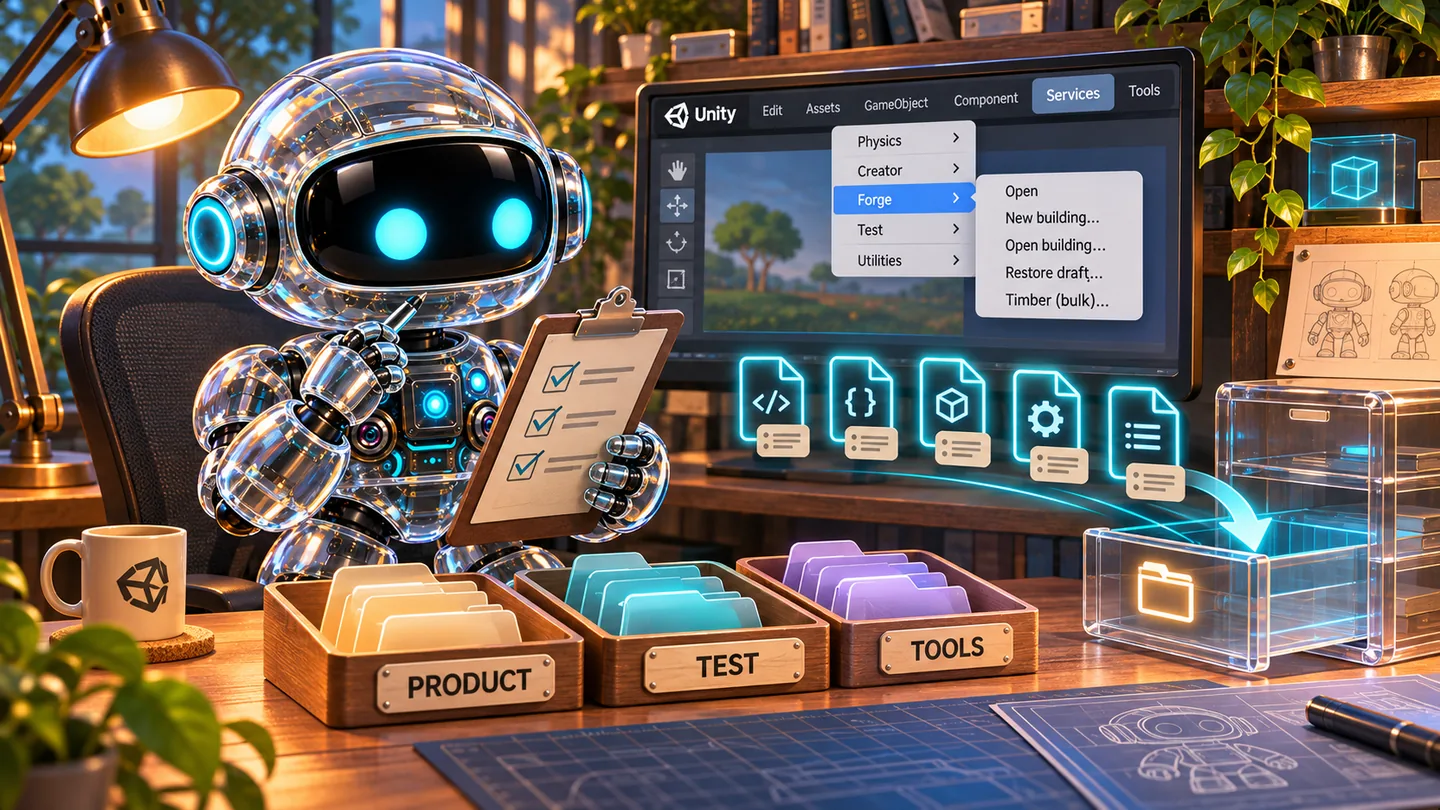
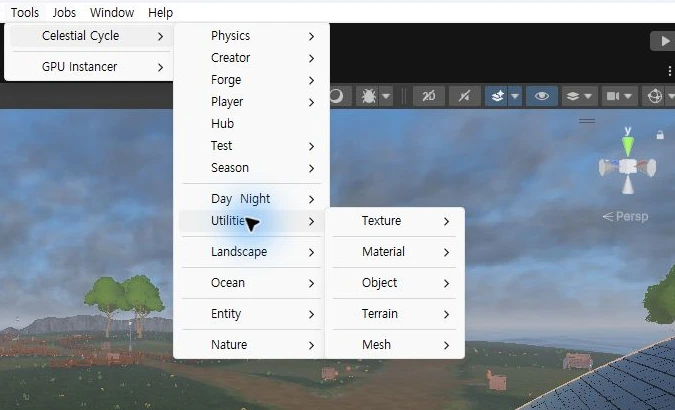
The development team’s CTO worked on addresses today: where features live, rather than another feature to find. Opening a product should not require a tour of its experimental lab. The current implementation previously called Forge 2 moved into the Forge product root and one clear menu entry, without renaming every internal data identifier.
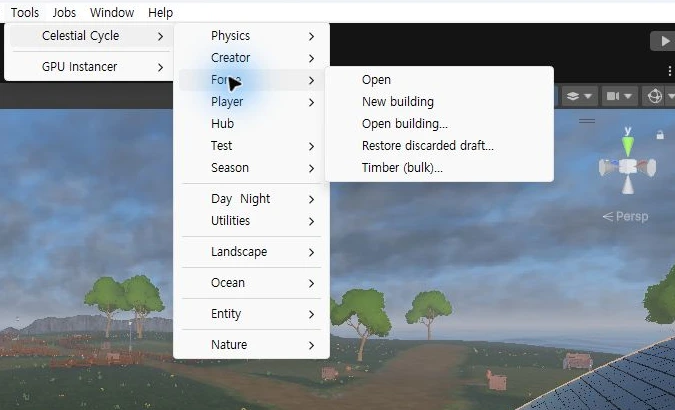
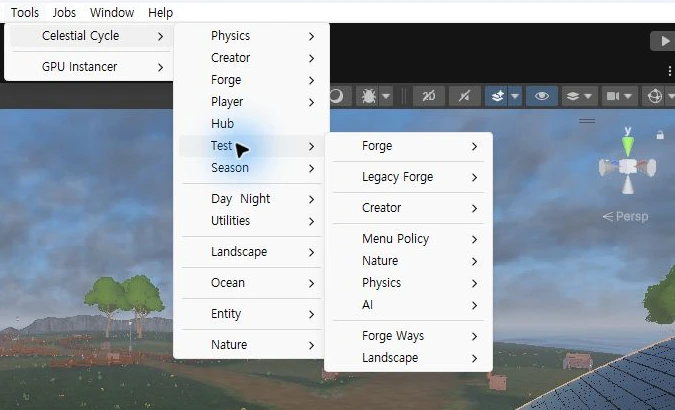
Labs, spikes and diagnostic checks went under Test; support tasks such as materials and textures went under Utilities. The product entrance and the test-lab entrance are now distinct. Seven actual Unity menu views checked the single Forge entry and the absence of duplicate menus. Seeing a command in a menu is still different from running it.
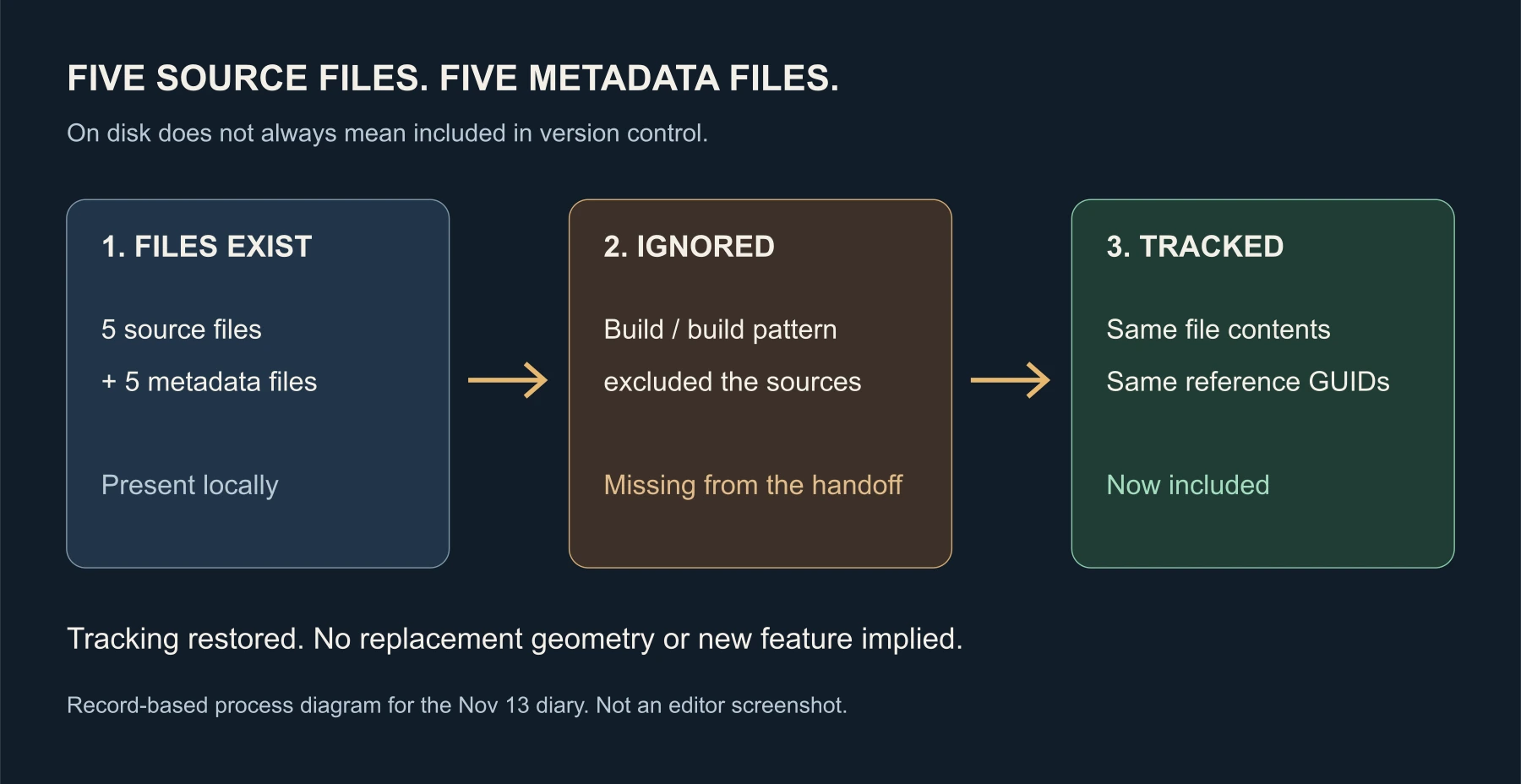
The cleanup also exposed five more important files. A Build ignore rule had hidden Landscape source files and their metadata from version tracking. They existed on disk but were missing from the package the next person would receive. Tracking was restored without changing contents or reference identifiers. A clean working status was not a complete packing list.
Removal had a defined boundary too: the user-approved 132 paths, containing 14,810 files and about 1.79 GB of logical data. Fifty-two protected documents and drafts remained unchanged. The cleanup did not expand into other teams’ material. The useful confidence comes from being able to explain what stayed, not merely how much disappeared.
Source and records were checked against remote main. Product and host compilation had no errors, with two existing warnings retained. The first Ways run passed 209 of 211 tests; after fixes, the related 32 passed. Shortening that to “all 211 passed again” would change the story, not just the wording.
A final additional state query timed out after 30 seconds without a new result. It stayed unconfirmed instead of being covered up with a restart. The completed scope is City organization, integration preparation and actual menu review. RPG_Lab integration and store release are separate next steps. The drawers are tidy. The boxes have not shipped.